


Bali-Trip: A Visit to the Sustainable Tourism Lab
Bali-Trip: A Visit to the Sustainable Tourism Lab
She lives and breathes her cause: Dr. Nyoman Dini Andiani advocates for women’s rights and sustainable tourism and village development in her home region of North Bali. Throughout Buleleng, where she teaches at the university as her main job, she is familiar with and supports various projects. She knows who the local leaders are. She supports them with academic knowledge and practical assistance to ensure their work is successful. Her goal is not merely to attract tourists to the island. “Of course,” she says, “the people here also want to earn a living from tourism.” But for Dini—as everyone here calls her—it’s about more than that. She calls it “special-interest tourism”: “My goal is for our guests to experience authentic life in our villages”—for tourists to interact with the people of Bali and learn to understand them.
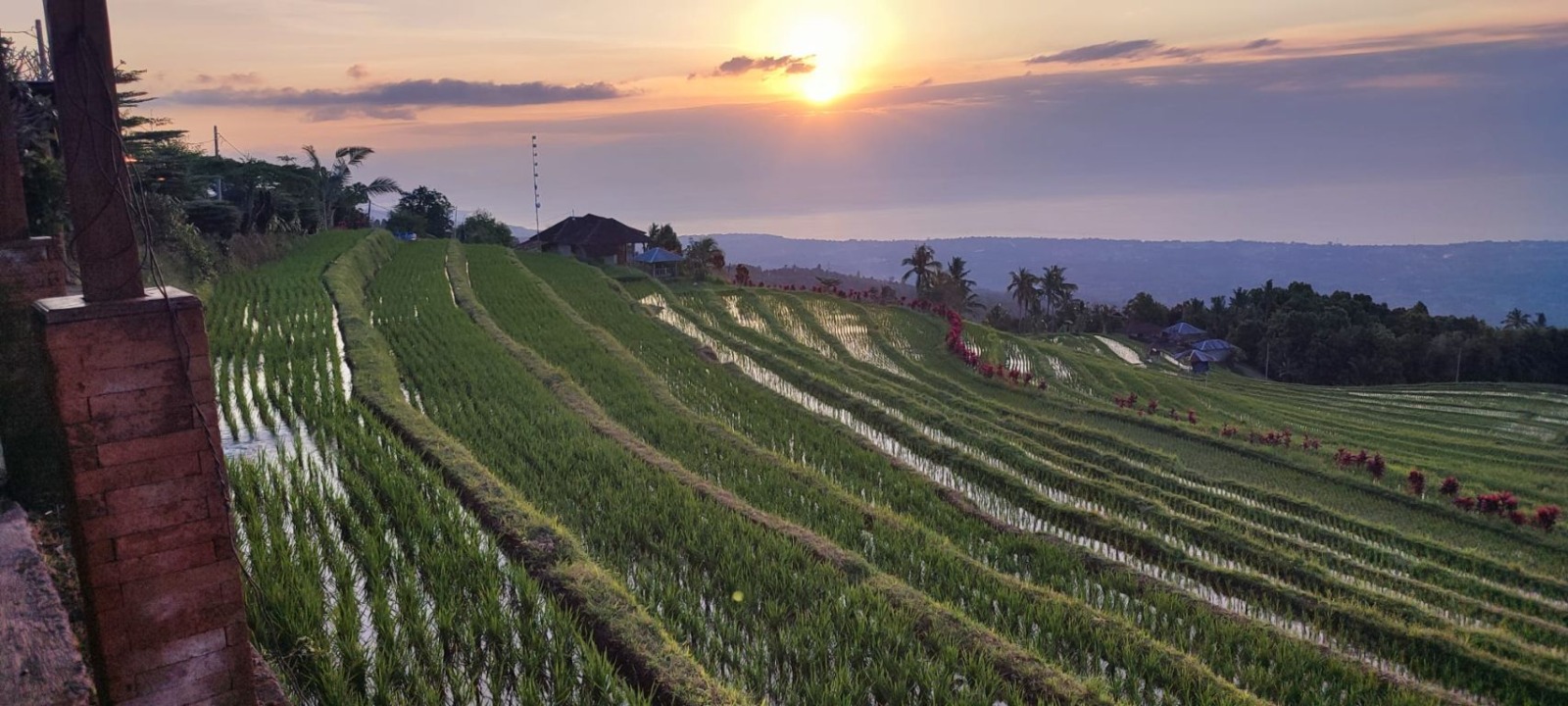
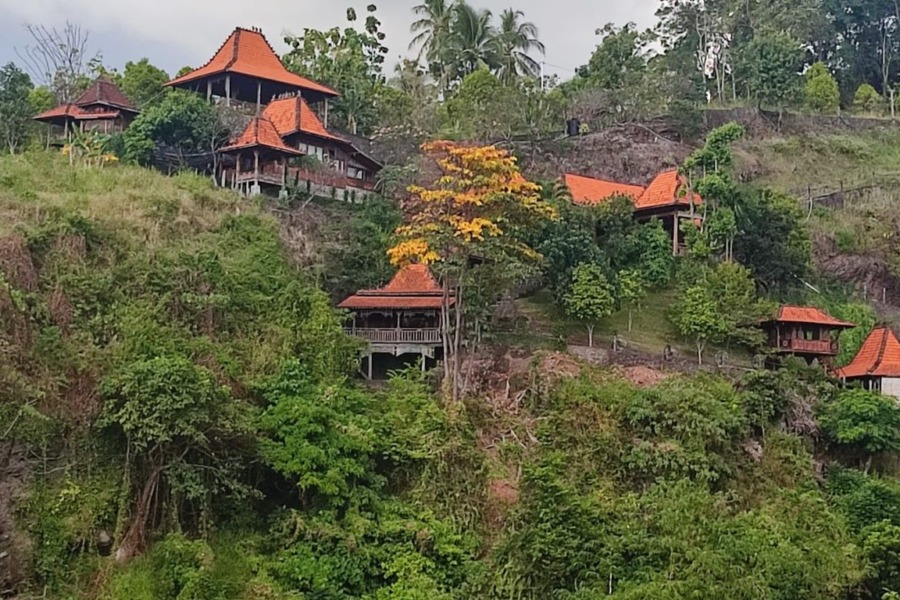
Time and again, Dini also brings guests to the region. She shows them what drives the people in this mountainous region of the Indonesian island, which is overgrown with lush tropical forest. “For me, sustainable tourism is about preserving harmony,” emphasizes Dini Andiani: “If the balance between people, culture, nature, and spirituality is maintained, tourism can not only bring economic benefits but also create a better and more secure future for the people of Bali.”
Experiencing Dinis‘ Vision for Tourism with globalmagazin
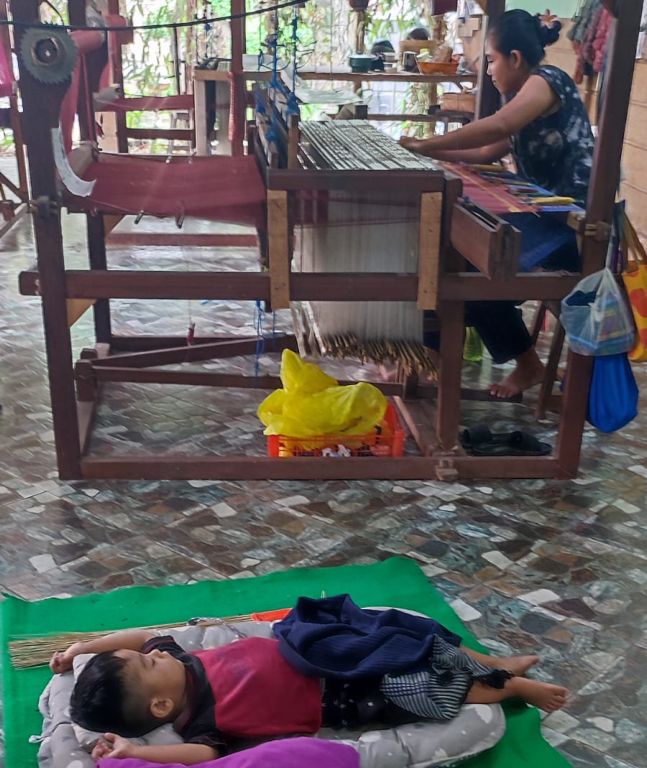
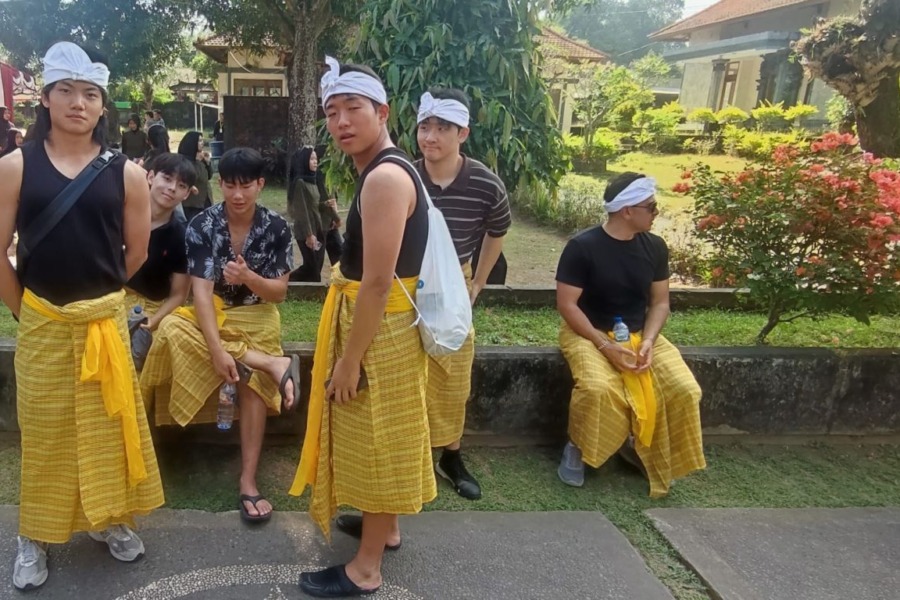
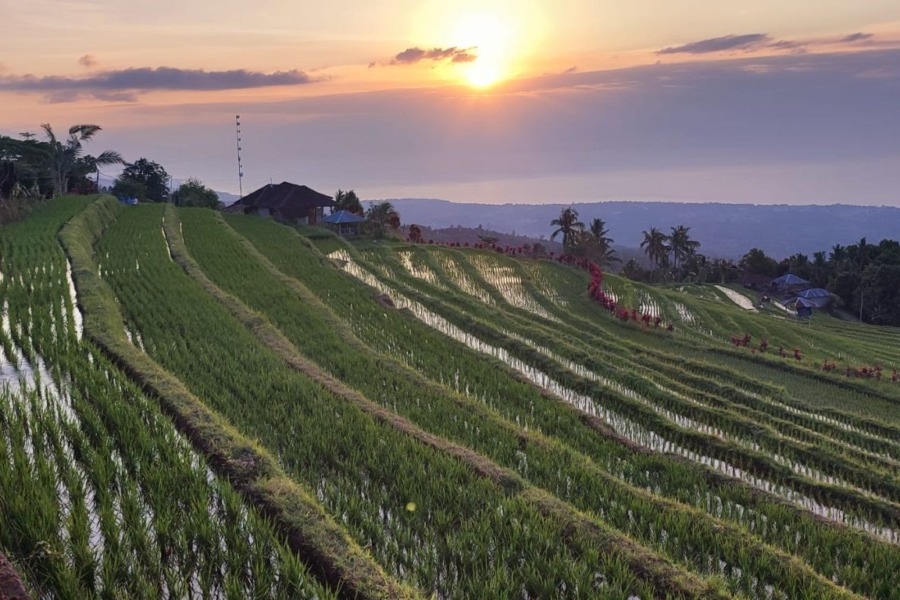
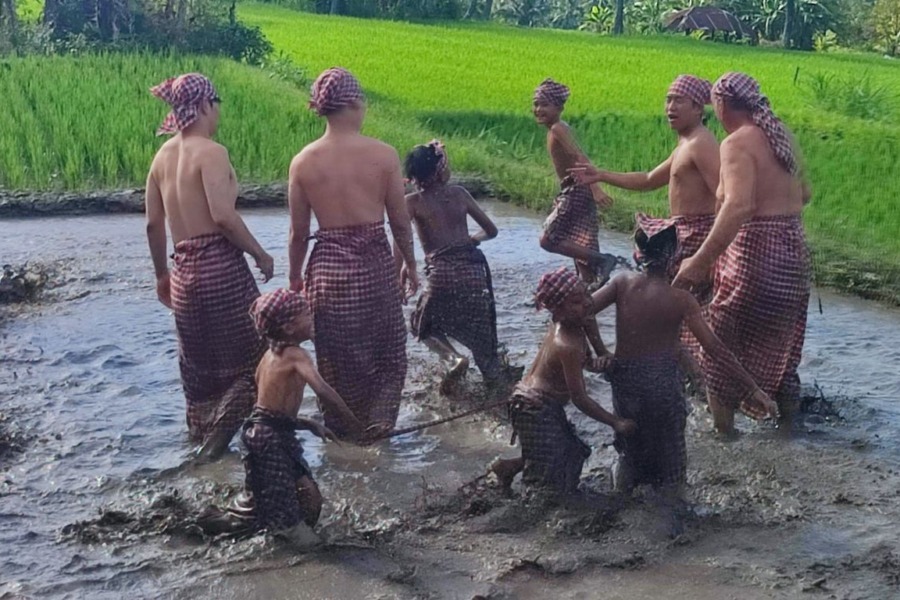
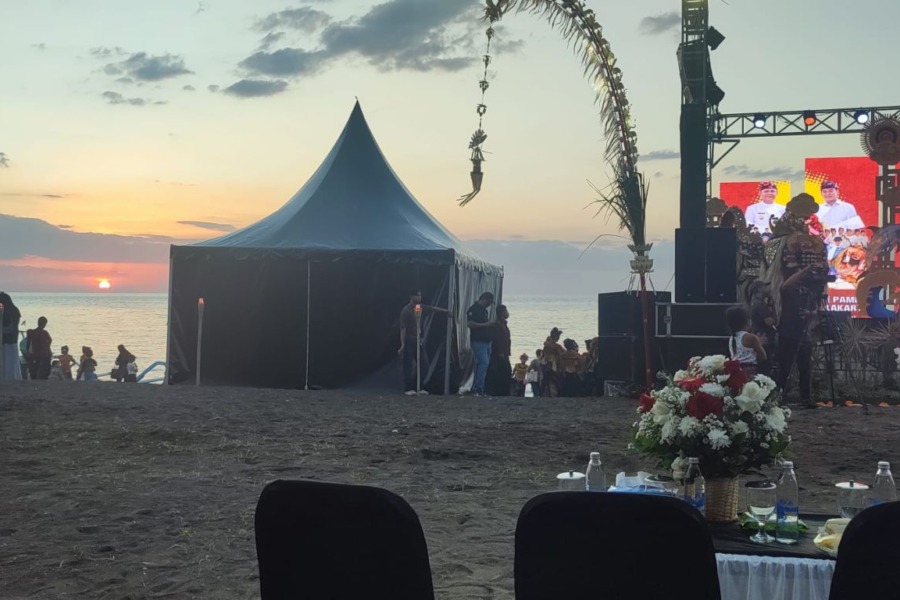
Participants in a tour co-organized by globalmagazin got to see firsthand how Dini puts this philosophy into practice in her work. Accompanied by Hungarian educator and tourism expert Prof. Dr. Miklos Banhidi, a dozen other scholars visited northern Bali. They were intense days. Dini had packed the schedule full. She wanted to show them everything the people here are accomplishing and what drives them: The participants visited organic vineyards and discussed wild bee farming with a beekeeper in the rainforest. Dini took the group to weaving workshops where traditional fabrics are made on wooden looms. She showed them libraries where texts carved into palm leaves are preserved; she let them witness how sea turtles hatch at a breeding station and are released into the ocean; and she showed them how much fun the farmers—and especially their young people—have preparing the fields on the water-flooded terraced fields: through a game that fosters community and the subsequent communal mud bath.
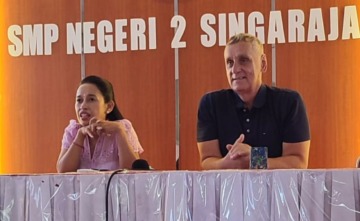
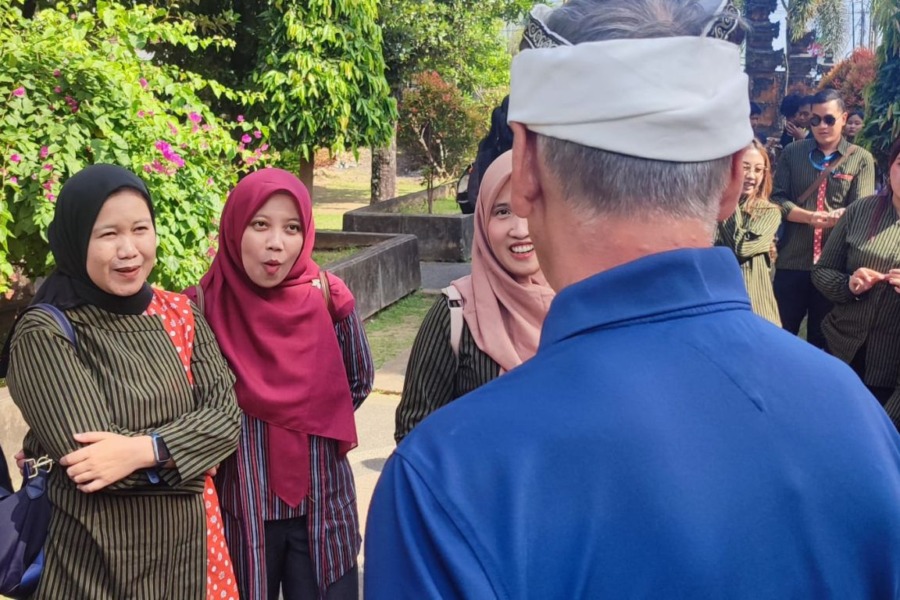
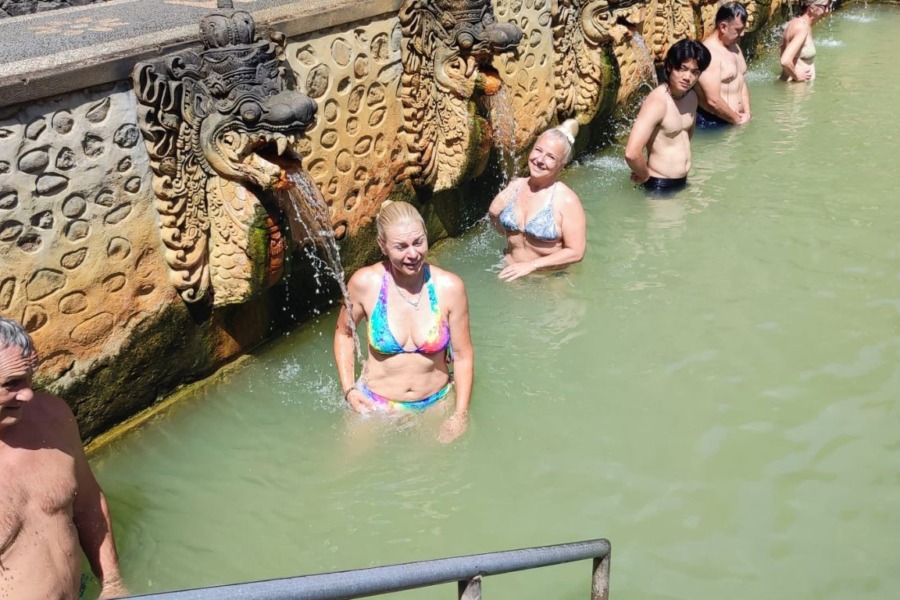
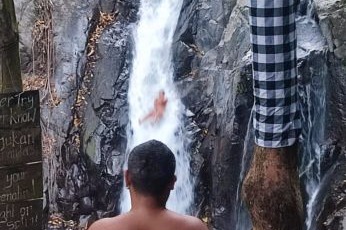
The Bali explorers experienced breathtaking landscapes. They marveled at impressive waterfalls and enjoyed a dip in warm sulfur springs. They listened to traditional instruments and savored delicious meals. During visits to Hindu temple complexes, Dini introduced them to the spiritual foundations of Balinese culture and organized discussions with students. The students were very curious about the guests from all corners of the world and asked engaging questions. The answers sometimes sparked entire rounds of debate.
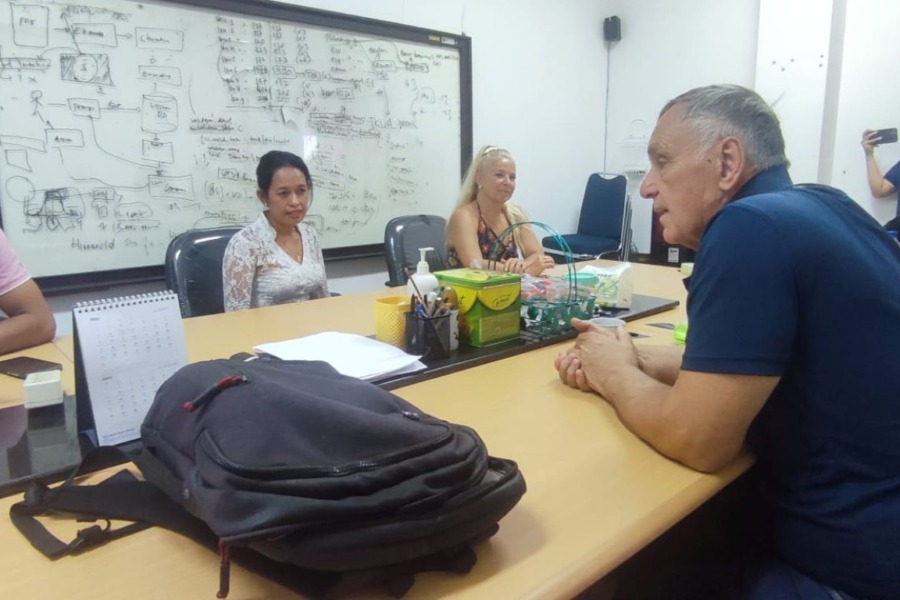
During meetings with participants in the village projects overseen by Dini Andiani, the group of visitors exchanged ideas with the local people. They learned about the challenges and discussed possible solutions. The exchange was fruitful—for both sides.
Scientific Expertise and Practical Action
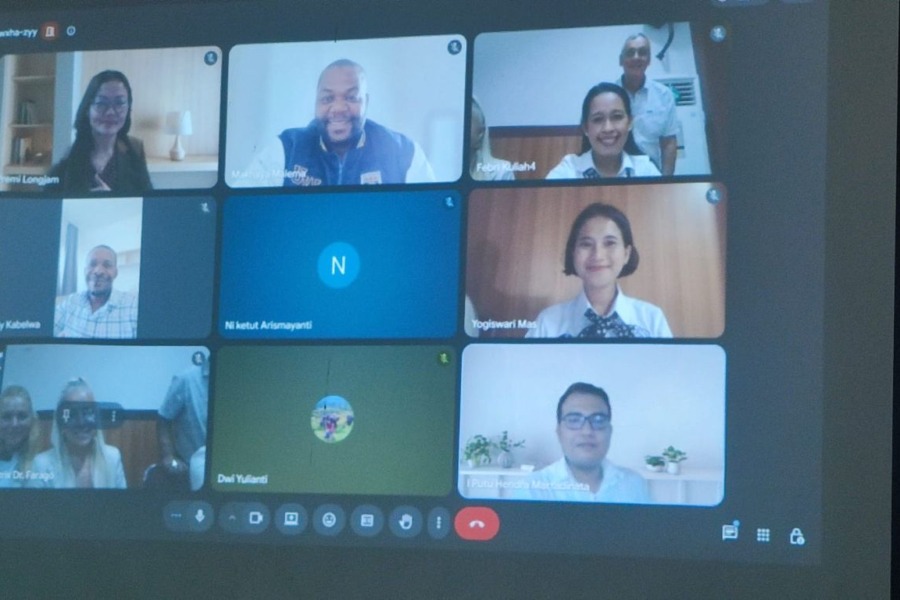
At a conference held at Buleleng State University, additional scholars and scientists from several countries also participated remotely. They presented their research findings on sustainable village and tourism development.
“That,” says Dini of these meetings, where expertise and practical action complement each other, “is exactly what we need in our villages: They have wonderful natural and cultural resources, but for the most part, they are not yet well-known tourist destinations. I see it as my mission to help them. These villages should recognize their own potential and then take responsibility for protecting it.”


Dini sees this as a win-win situation for both tourists and the villages in Bali. “I am convinced that if local people are truly involved and receive a fair share of the proceeds from tourism, they will have a stronger incentive to protect their environment, their culture, and their community.”
That is why, for Dr. Nyoman Dini Andiani, looking beyond the boundaries of her university’s campus is so important. She wants to help make her vision a reality: “That, I believe, is where sustainable tourism truly begins.”
Gerd Pfitzenmaier
